Blog
Blog
Articles about neurodivergent students at school: background, classroom experience and printables.

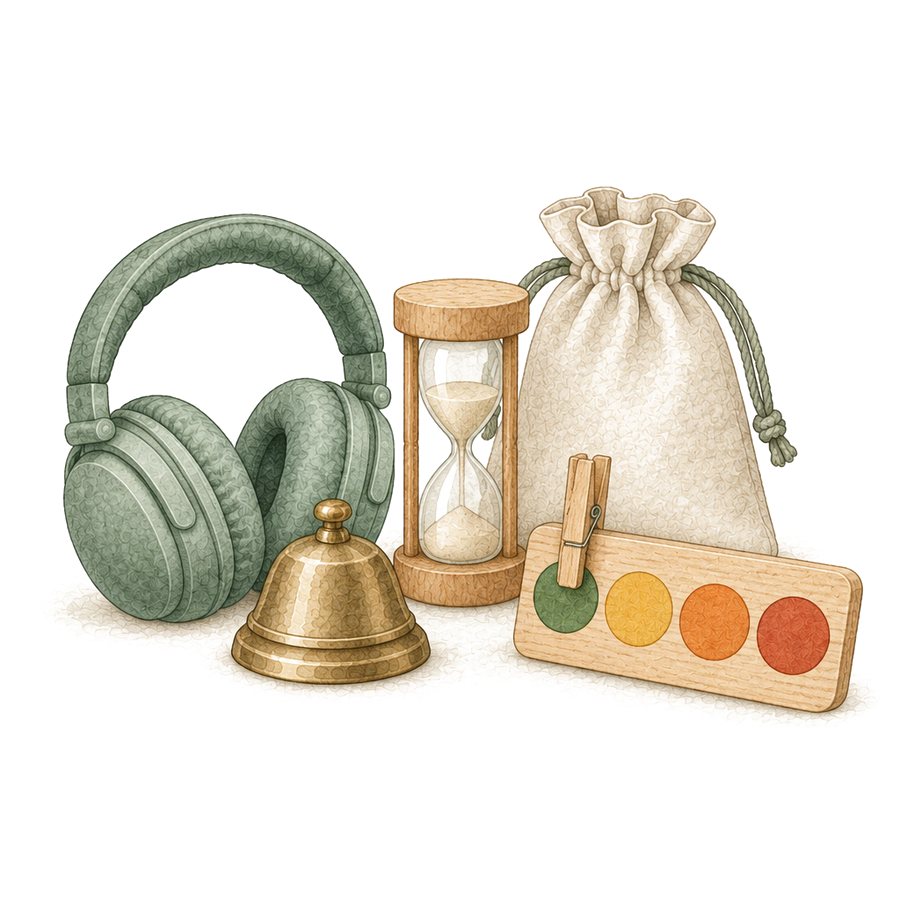 November 9, 2026Reducing Classroom Noise: Five Quiet Signals That Really WorkReducing classroom noise without raising your voice: a hand signal, voice levels and headphones for everyone. Five quiet signals plus a printable poster.with a printable
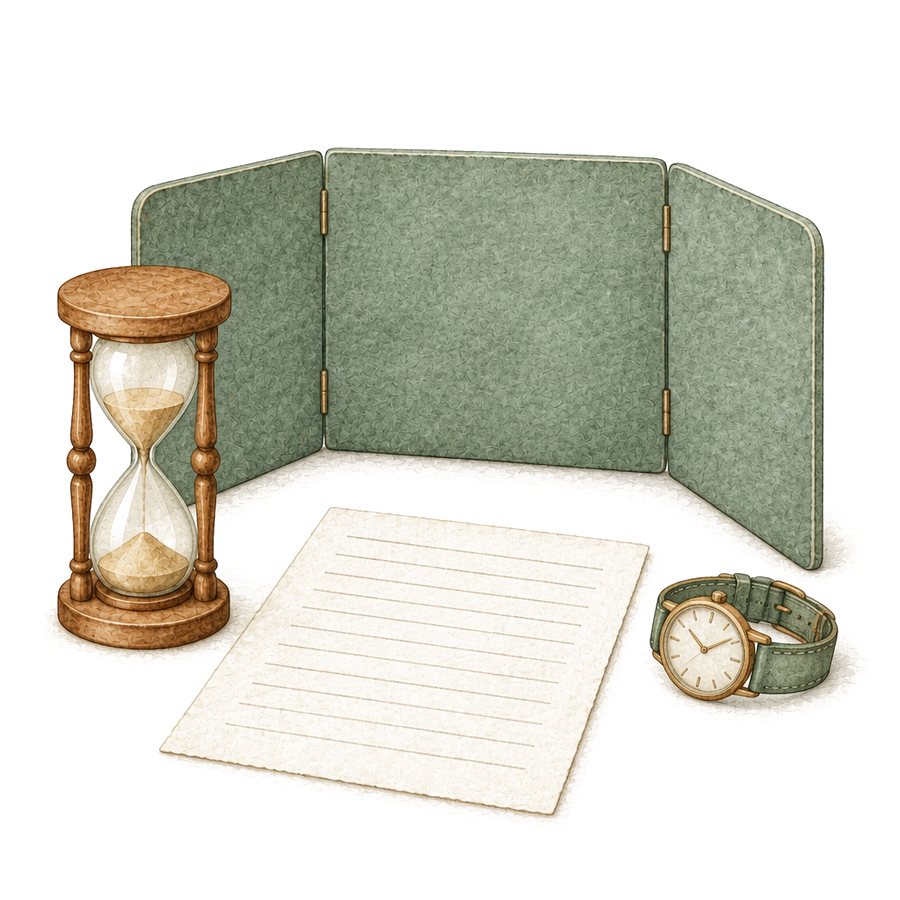 November 2, 2026Accommodations for ADHD and Autism: What You Can Do in ClassAccommodations for ADHD and autism change the conditions, not the expectations. How they differ from modifications, who decides, and three classroom examples.with a printable
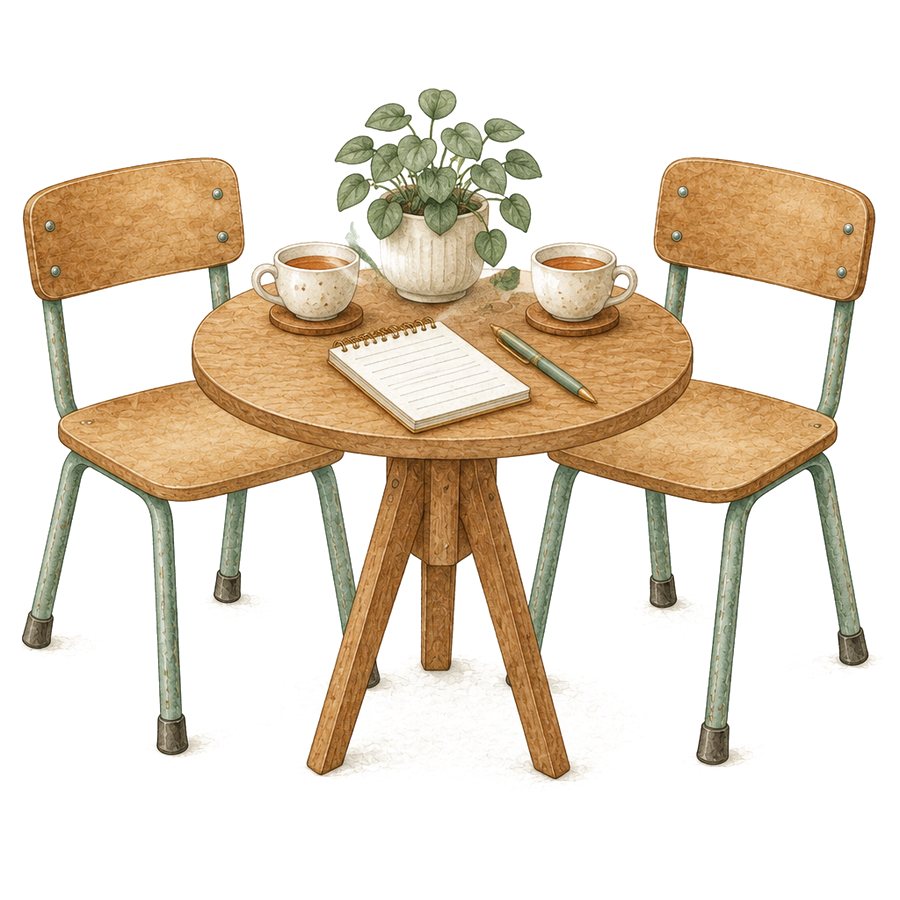 October 26, 2026Parent Conferences About ADHD or Autism: How to PrepareParent conference about ADHD or autism? Describe instead of interpret, open with a strength, end with one agreement. With printable conference notes.with a printable
 October 23, 2026Halloween Without Sensory Overload: A Party for the Whole ClassHalloween without sensory overload: share the plan, go easy on the senses, open a quiet room. With a printable schedule card and quiet room door sign.with a printable
 October 12, 2026Classroom Countdown: Making the Wait Visible for StudentsA classroom countdown calendar helps students handle the wait for a class trip, school break or project day, and answers “How many more days?” for you.with a printable
 October 5, 2026When Students Finish Early: A List That Beats BoredomWhen students finish early, a visible list shows them a good next step and spares you the constant “What now?” questions. Printable included.with a printable
 September 28, 2026Honest Courage Phrases: Small Cards for Elementary StudentsHonest courage phrases give elementary students small, optional reminders for hard learning moments, without the pressure. Printable cards included.with a printable
 September 24, 2026Introverted Students: Class Participation Without the PressureIntroverted students can take part without being put on the spot: wait time, clear routines and new ways to respond, plus a printable card for your class.with a printable
 September 21, 2026Hoods and Hats in the Classroom: Understand Before You DecideHoods and hats in the classroom can shield students from sensory overload. How to handle them calmly and flexibly, without banning first or guessing why.with a printable
 September 17, 2026Hearing Protection Box: Giving Students a Choice About NoiseA hearing protection box gives students a say over classroom noise: what to put in it, how to introduce it, and how they find their way back to class.with a printable
 September 14, 2026Doodling in Class: What That Pencil in the Margin Is Telling YouDoodling in class can help a student listen, pull them off task, or show their thinking. Judge it by the learning goal, not by the moving pencil.with a printable
 September 10, 2026Rethinking Focus in the Classroom: Movement, Sound and DoodlingRethinking focus in the classroom: how movement, sound and small side activities can help students work, judged by the learning goal, not by posture.with a printable
 September 7, 2026Sitting Still Isn't Focus: How Movement Helps Students LearnMovement and focus can go together. How to tell posture, learning and sensory overload apart and make room for movement in class. Printable included.with a printable
 September 3, 2026Recess and Break Ideas for Neurodivergent StudentsRecess and break ideas for neurodivergent students: six low-effort options for movement, quiet and smooth transitions back to class. Printable included.with a printable
 August 31, 2026Homework Step Cards: Small Steps Students Can Follow at HomeHomework step cards break an assignment into small, visible steps, so students know where to start at home and you answer fewer questions. Printable inside.with a printable
 August 28, 2026Weekly Plans for School and Home: A Week Students Can SeeA clear weekly plan shows tasks, transitions and breaks, making the school week more manageable for your class and for you. Printable included.with a printable